





 HEALTH & FITNESS
  TEACH ME
  HORSE & HUMAN
  MY EQUESTRIAN LIFE





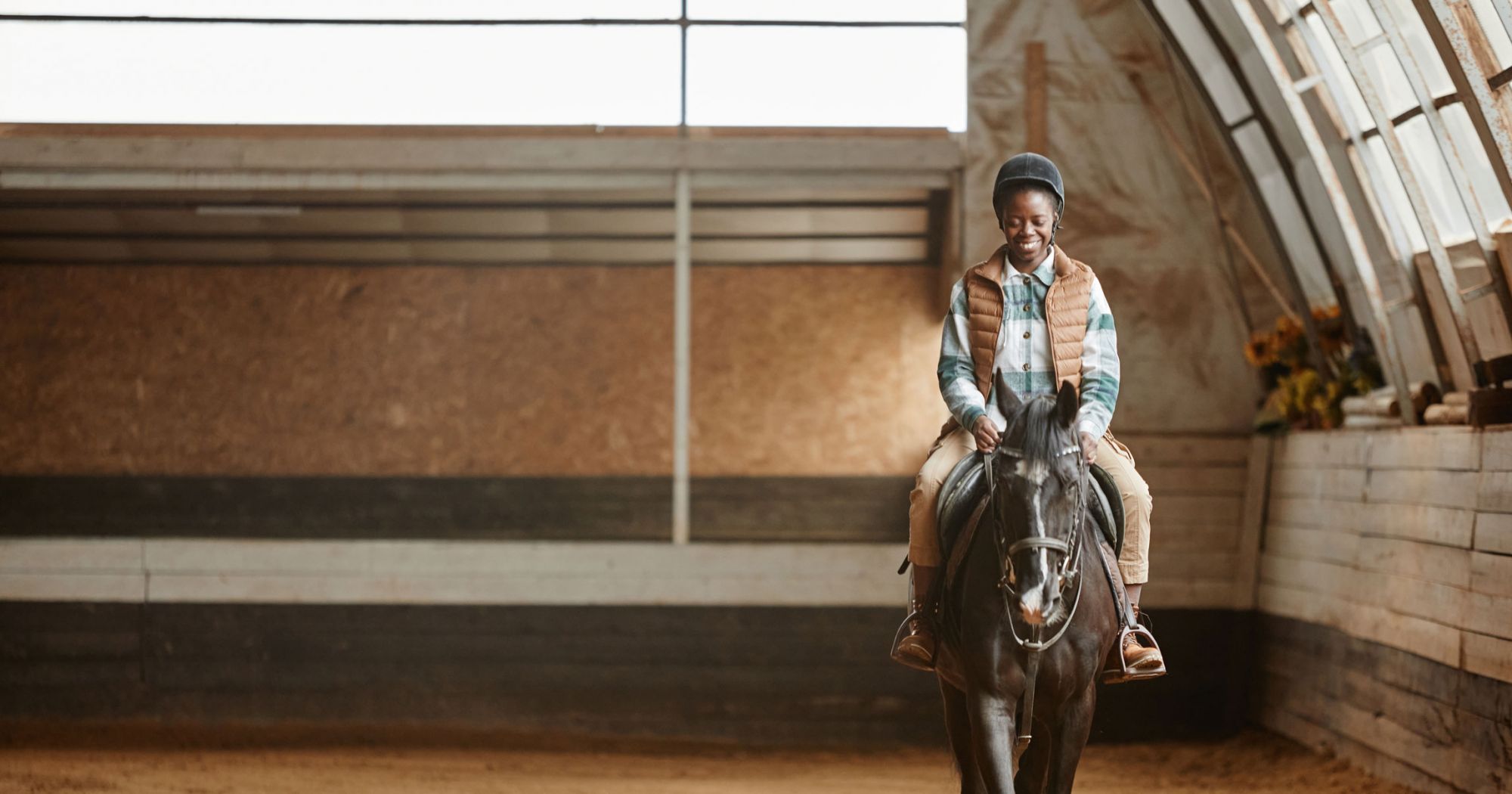
Have you tried walking, lunging and indoor pools this winter?
Ideally, you want to ride your horse at least three days per week to keep it in good physical condition — more if you are able. But during winter months, cold temperatures, deep snow, and slippery ice can make outdoor riding impossible.
Here are some tips for maintaining equine fitness during winter. And don’t ignore these if you’re in the Southern Hemisphere and enjoying the summer! Many of these methods can also be employed when the weather is too hot to ride...
Indoor Turnout
If you have an indoor arena that’s busy during the day but empty at night, consider turning horses out there to give them some exercise and socialising. (This is also a great option if you need to bring outdoor horses without a stall in for a real weather emergency, like a blizzard.)
Make sure the arena is cleared of anything that could pose a danger and that the horses can’t get out. Just like in the paddock, match up horses that get along well to ensure there is no fighting.
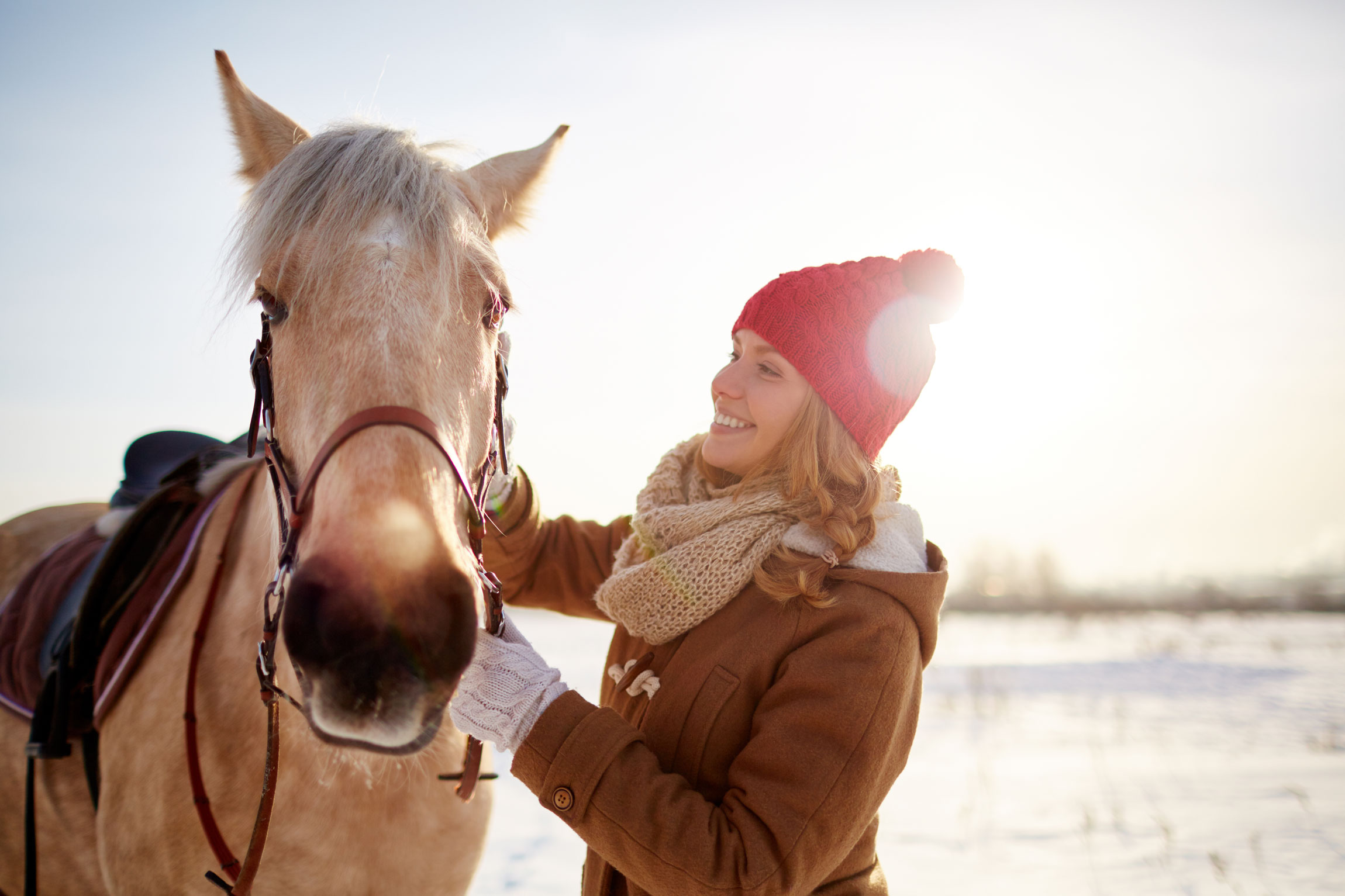
Trailer to an Indoor Arena
If you have no arena at your stables but there is one nearby, you could consider hauling your horse there once or twice a week for a good ride. You might have to pay a premium fee for use of the arena, or perhaps you could barter something like teaching a class there in return.
Walking
Sometimes it’s not safe to ride, but an easy walk is a possibility. You might also be able to shovel or plough a looping path around the yard for exercise.
A hot walker (automated walker) is another option. You only have to clear ice or snow around the circumference of the walker path in order to make it usable.
Lunging
Indoor arenas tend to get crowded during inclement weather, and you might feel frustrated trying to get a real training session in. If you can’t reserve the ring for a solo ride, consider lunging in the centre whilst others go around the periphery.
Lunging is a fantastic way to not only let your horse blow off some steam but to work on ground manners on a lead rope. Being able to lunge your horse anywhere with a lot of distractions is also great training for busy warm weather shows.
Treadmill
An equine treadmill is a terrific investment if you’re a serious rider or own a boarding facility (you can charge more for this type of amenity). Just like for human athletes, your horse can put some miles in no matter what the weather.
There are also mobile treadmill services that will come to you on appointment. It might be worth seeing if there is a company like this near you with whom you can schedule back-to-back sessions with stablemates.
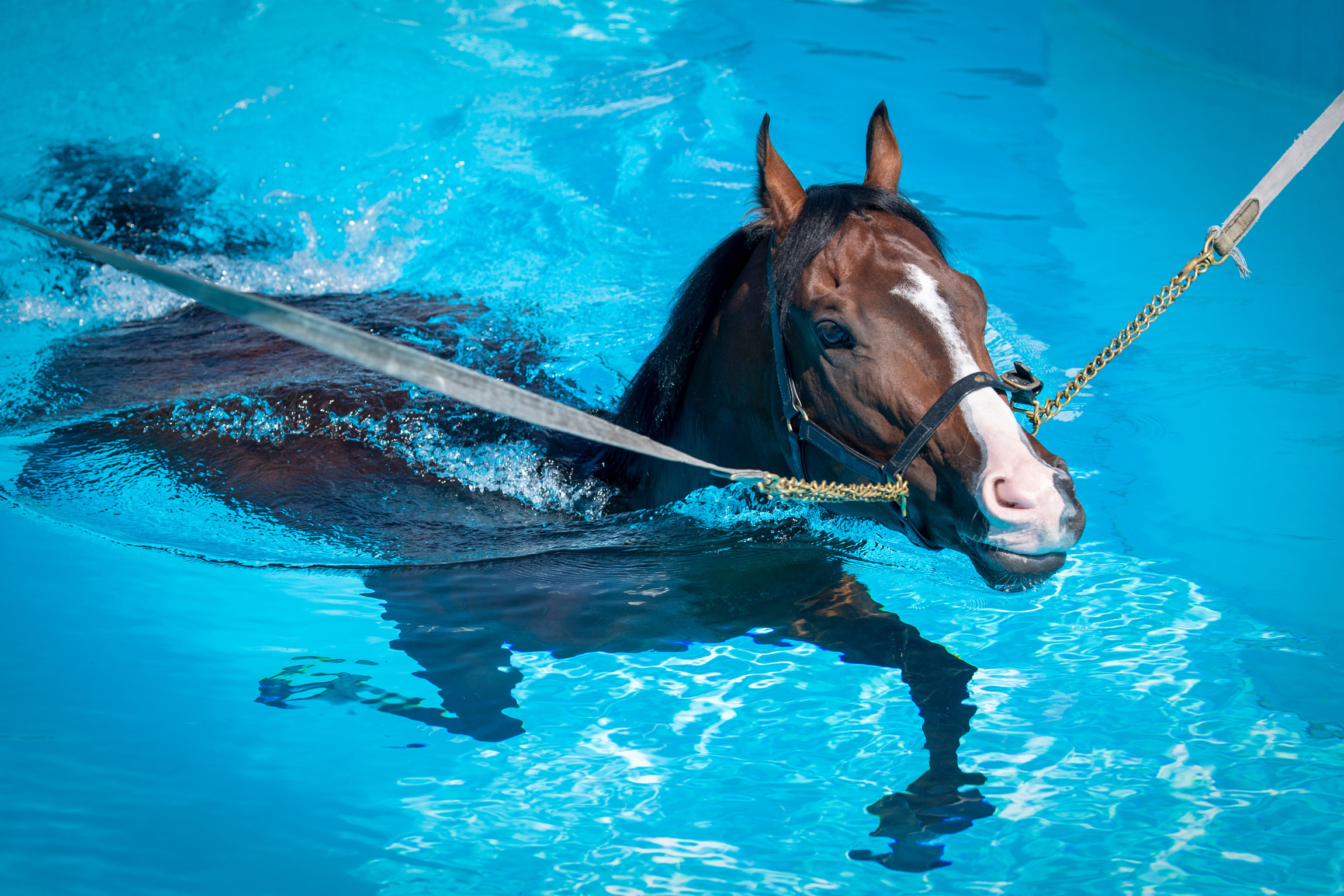
Swimming
A swimming pool for equines — if you’re lucky enough to have one close by — is also a wonderful venue for exercise. If you have a major equine hospital, a racecourse, or a horse rehabilitation centre in your area, you might also have access to an equine pool.
There are mobile mini pool/treadmill combos too. A service comes to the yard, and the horse walks onto the treadmill. But instead of walking in air, the enclosed treadmill fills with water to a desired level for reduced impact but serious resistance to provide conditioning.
Equine Bodywork
Alternating exercise with some bodywork can help your horse stay fit during winter. A regular massage helps relieve muscle tension, improves range of motion, promotes circulation, and encourages relaxation. Additionally, it can help your horse learn to stand more calmly and be touched all over by a vet or farrier.
Mental stimulation
Don’t forget about keeping your horse’s brain active when full riding isn’t available. Stall toys can reduce boredom that leads to vices and other undesirable behaviour.
You can use a small space in an indoor arena to conduct in-hand exercises for bonding and agility, like walking poles or cones and backing. This is the ideal time to work on becoming less reactive to “spooky” things in corners too, with a stroll around the arena stopping to calmly check out dark spaces and strange items.
Fine Tune Diet
Finally, wintertime for horses that are kept mainly outdoors typically requires a greater caloric intake for warmth. But if your horse is mostly stalled, and you’re not riding much, you likely need to reduce feed to avoid weight gain. Talk to your vet about finding the right balance between winter warmth and overeating.
Check out the FEI’s Facebook channel for all the latest from the equestrian world…
Words by Patricia Salem